
Meissen
Porcelain, castles, thorns.

New here? Start with Johann Gottfried Seume Stroll to Syracuse project.
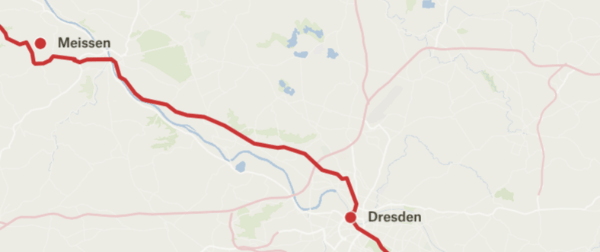
Meissen is famous for porcelain. The code for producing hard-paste porcelain in Europe was cracked here in 1707 by Johann Friedrich Böttger.1
Böttger’s discovery effectively broke the Chinese monopoly on porcelain production and opened lucrative markets for Augustus the Strong, elector of Saxony.
Over a hundred years later Seume passes through on his stroll. He is greeted by friends but does not tarry; he admires the scenery and follows the Elbe southwards to Dresden.
I, on the other hand, had a few hours to spend. I arrived at midday, a beautiful sunny day with clear skies.
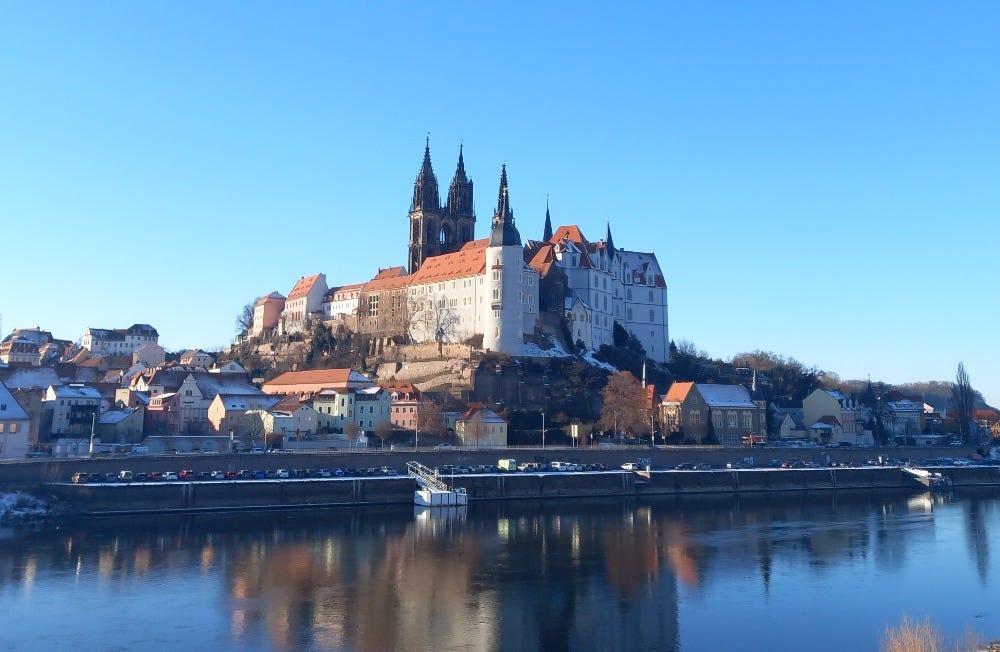
I crossed the Elbe and made my way up through steep medieval streets to Albrechtsburg Castle, where the secret of porcelain was uncovered.
The castle was impressive, largely empty of visitors, and I was free to wander around undisturbed.


Later, walking back downhill, I brushed against a thorn bush that tore a large gash in the knee of my trousers.
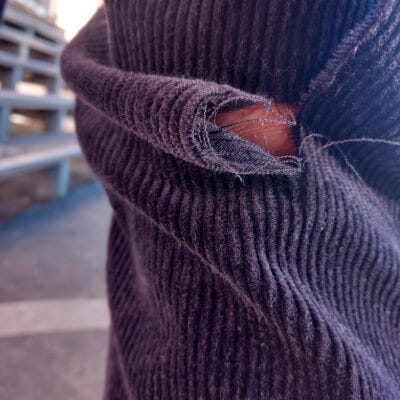
Not having a thread or needle I made my way to the tourist information office who directed me to a local business that could help. Ten minutes later I was in the changing room of a Syrian tailor who quickly stitched them back together again so neatly I could hardly see the seam.
With kneecap now protected against the frosty air, I made my way to the train station and hopped on the train to Dresden.
Onwards!
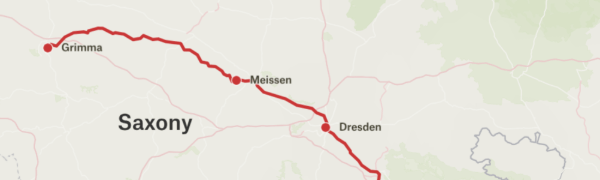
Stage 1 — Grimma to Dresden
Stops on this stage:
Grimma - first stop
Meissen - this stop
Dresden - next stop
It’s a great story, full of intrigue and excitement. Jane Gleesum covers the discovery in her engaging book The Arcanum.
I’ve said it once and I’ll no doubt say it again, but you’re doing retirement right my good man